Walls Restored After Damage and Settling
Drywall Repair and Installation in Newport News for homes with water damage, structural settling, and remodeling gaps
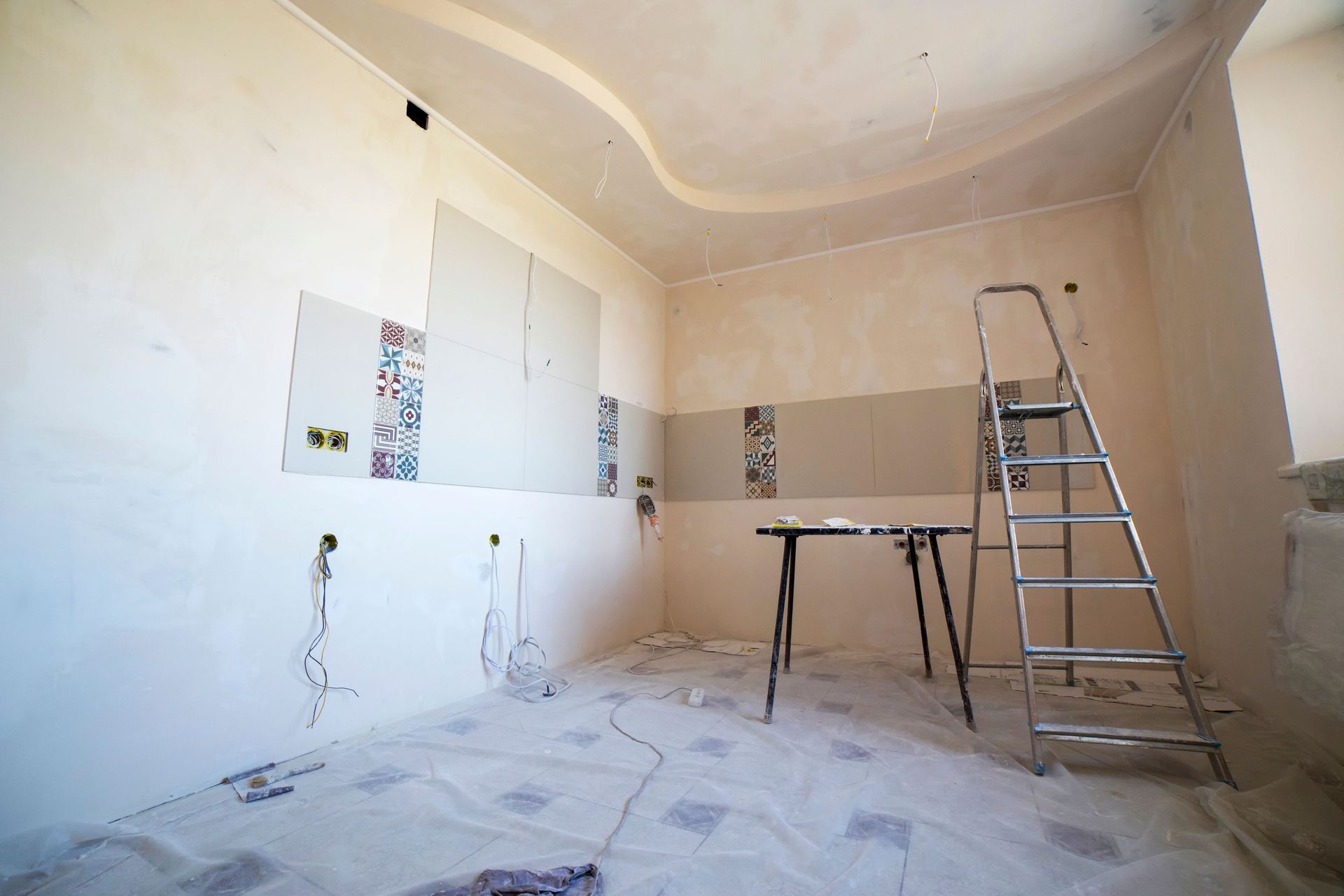
Ceiling stains that spread from roof leaks, cracks that follow door frames after foundation settling, and wall sections removed during plumbing repairs all require drywall work that restores smooth surfaces and prevents future damage from unaddressed moisture. Brandon's Painting & Handyman Services repairs and installs residential drywall throughout Denbigh, Warwick, and the Monitor-Merrimac Memorial Bridge-Tunnel area, addressing the humidity and waterfront moisture conditions common to Hampton Roads that cause drywall to sag, develop mold, and separate from framing when proper moisture barriers are not installed. Water-damaged sections are removed completely to expose stud framing, allowing for inspection of wood members that may have begun to rot and need replacement before new drywall is hung.
Repair work begins with cutting out damaged drywall in clean lines that extend to the center of framing studs, providing solid backing for new panels. Moisture-barrier installation prevents future water intrusion from reaching the drywall surface, and frame inspection confirms that studs remain plumb and free of rot before panels are fastened. Drywall is hung with screws driven to the correct depth—flush with the surface without breaking the paper facing—then joints are taped with mesh or paper tape and covered with joint compound applied in multiple coats.
Arrange an inspection to evaluate wall damage and identify moisture sources that need to be resolved before drywall installation begins.
Why Moisture-Aware Installation Works for Tidewater Homes
Humidity levels in the Tidewater region frequently exceed seventy percent during summer months, and waterfront properties experience even higher moisture exposure that can saturate drywall and promote mold growth behind wall surfaces. Moisture barriers placed between exterior sheathing and drywall prevent condensation from reaching the gypsum core, and proper ventilation in bathrooms and kitchens reduces the indoor humidity that accelerates material degradation. Joint compound is sanded smooth between coats to eliminate ridges and depressions, and final surfaces are primed to seal the paper facing before paint is applied.
After drywall work is completed, you will see walls and ceilings that sit flush without visible seams, corners that meet crisply without gaps, and surfaces that accept paint evenly without the texture differences that appear when joint compound is not fully sanded. Brandon's Painting & Handyman Services finishes drywall to a level suitable for paint application, ensuring that lighting does not reveal imperfections through shadow lines or surface irregularities.
Installation projects also address framing issues such as bowed studs that cause drywall to bulge, missing blocking at panel edges that leads to cracking along seams, and inadequate fastener spacing that allows panels to pull away from framing under seasonal humidity changes. Exterior drywall installations include weather-resistant barrier integration where walls meet rooflines or around window and door openings..
What Property Owners Usually Ask
Drywall repair and installation raise questions about moisture prevention, surface finish quality, and when repair is sufficient versus full replacement.
What causes drywall to sag or develop mold in Newport News homes?
High humidity and waterfront moisture can saturate drywall that lacks moisture barriers or adequate ventilation, causing the gypsum core to soften and mold to grow on paper facings in enclosed wall cavities.
How is water-damaged drywall removed safely?
Damaged sections are cut back to the center of framing studs using a utility knife and saw, and removed material is inspected for mold or rot that indicates moisture intrusion has affected framing members behind the wall surface.
When should I replace drywall instead of repairing small sections?
If water damage covers more than a few square feet, if mold is visible on the back of removed panels, or if framing shows signs of rot, full panel replacement is more reliable than patching because it allows complete moisture-barrier installation and frame inspection.
What finish level is needed before painting?
Smooth finish with all joints taped and sanded flush, fastener heads covered and feathered, and surfaces primed to seal the paper facing and prevent uneven paint absorption across repaired areas.
How long does joint compound take to dry in humid conditions?
Drying time extends during high-humidity periods common to coastal Virginia, so multiple thin coats with adequate drying intervals between applications produce better results than single thick coats that crack as moisture escapes.
Brandon's Painting & Handyman Services applies moisture-aware installation methods to prevent the post-repair mold and settling issues that occur when drywall is installed without addressing underlying moisture sources or framing problems. Call (757) 373-4384 to schedule a damage assessment and discuss repair options based on the extent of affected wall surfaces.