
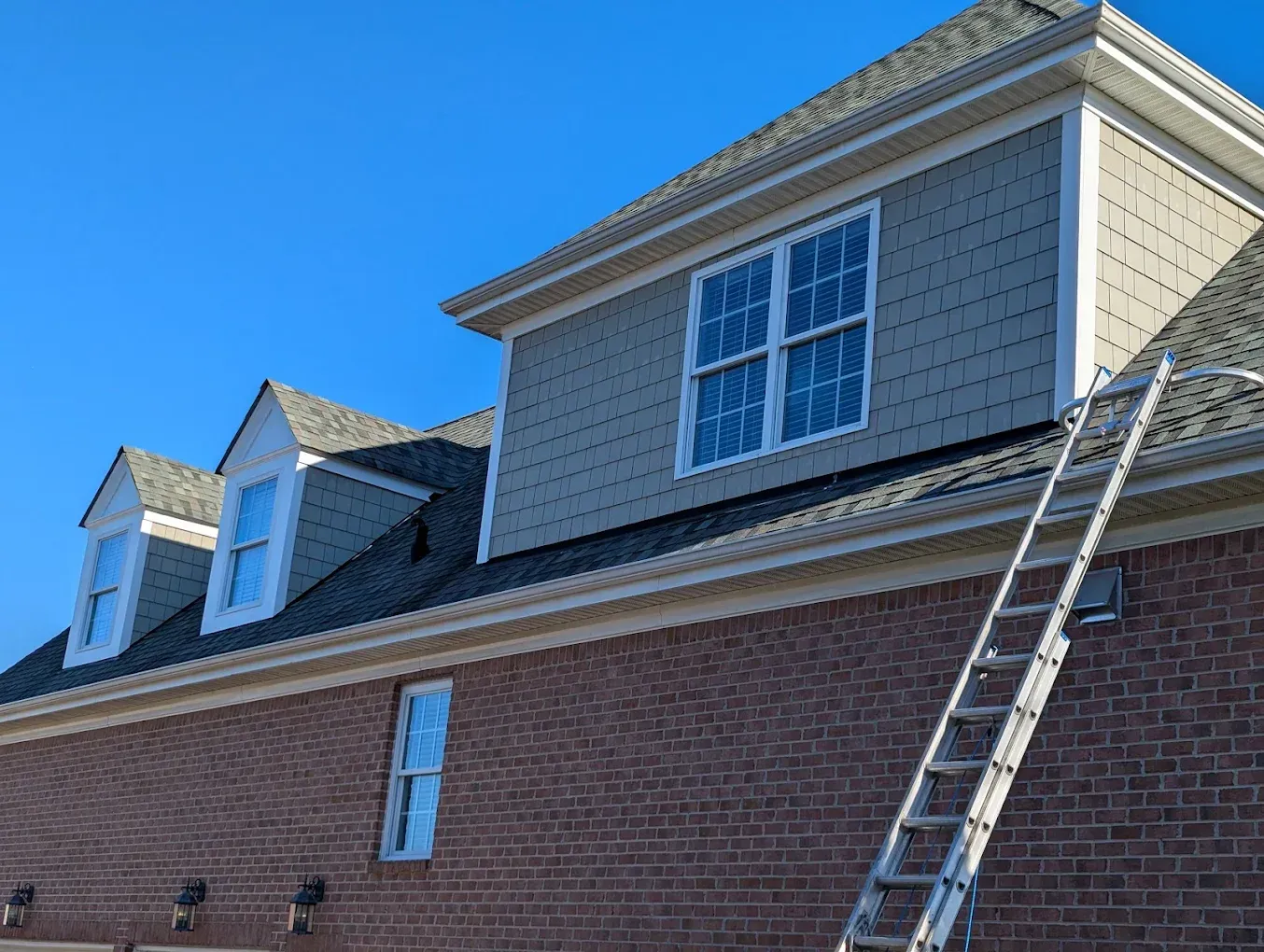
Cladding That Resists Salt Spray Corrosion
Siding Installation and Replacement in Newport News for maintenance-resistant protection against Tidewater salt air and hurricane-season damage
Standard siding materials corrode rapidly in Hampton Roads salt air—galvanized fasteners rust through, paint finishes chalk and peel, and wood substrates rot behind compromised cladding. Brandon's Painting & Handyman Services installs and replaces residential siding across Newport News with material selection designed for humid, salt-laden climates. Waterfront properties in Denbigh, Hilton, and along the James River face the most aggressive conditions, where salt spray accelerates material breakdown and hurricane-season wind drives moisture behind improperly installed cladding.
Full removal exposes underlying sheathing and framing for inspection and repair before new cladding goes up. Flashing repair at windows, doors, and corner transitions prevents water intrusion at vulnerable interfaces, while weather-seal installation creates a continuous drainage plane behind siding that channels moisture outward rather than trapping it against structural elements. Material selection prioritizes corrosion resistance—fiber cement siding resists salt air better than wood, and stainless fasteners outlast galvanized hardware in coastal environments by decades.
Arrange an on-site consultation to evaluate current sheathing condition and discuss material options for your property's salt air exposure..
How Installation Addresses Waterfront Durability
Salt-air-resistant installation techniques prevent the corrosion patterns that cause premature failure in Tidewater properties—stainless fasteners eliminate rust streaking, proper flashing stops moisture infiltration at penetrations, and drainage planes behind cladding allow water to escape rather than saturating wall cavities. Material selection accounts for both salt spray and UV exposure near water, where reflective glare accelerates finish degradation.
Once installation completes, exterior walls shed water at seams and transitions without staining, fasteners remain secure without backing out or corroding through, and cladding maintains dimensional stability through humid summers and hurricane-season wind events. Properties along the I-64 corridor and near the Monitor-Merrimac Memorial Bridge-Tunnel area show visible improvement in weather resistance compared to standard installations that ignore coastal conditions.
The scope includes full removal of existing siding, sheathing inspection and repair, flashing installation at all penetrations, weather-resistant barrier application, and new cladding installation with corrosion-resistant fasteners. Structural framing repairs beyond typical wear require separate assessment—specialty focus on salt-air-resistant techniques addresses the accelerated material breakdown common to waterfront properties in Riverside and Seaford..
What Property Owners Usually Ask
Homeowners in Newport News preparing for siding replacement often have questions about material durability and installation methods for coastal climates..
What siding materials resist salt air best in Newport News?
Fiber cement and engineered composite products resist salt-spray corrosion better than wood or standard vinyl—these materials don't rot, corrode, or support mildew growth in Hampton Roads humidity, and their finishes hold color longer near waterfront areas.
How do flashing details prevent water intrusion?
Flashing creates overlapping layers that direct water outward at windows, doors, and corners—proper installation places flashing behind cladding at top edges and over cladding at bottom edges, preventing moisture from migrating into wall cavities at transitions.
When should siding be replaced rather than repaired?
Replacement makes sense when cladding shows widespread corrosion, underlying sheathing has moisture damage, or fasteners have pulled loose from salt-weakened substrates—isolated damage may allow spot repairs, but systemic failure requires full removal.
What makes stainless fasteners necessary in Tidewater?
Salt air corrodes galvanized fasteners within five to seven years, causing rust streaking and eventual pull-through—stainless fasteners resist this breakdown and maintain holding strength through decades of coastal exposure, eliminating the most common siding failure mode.
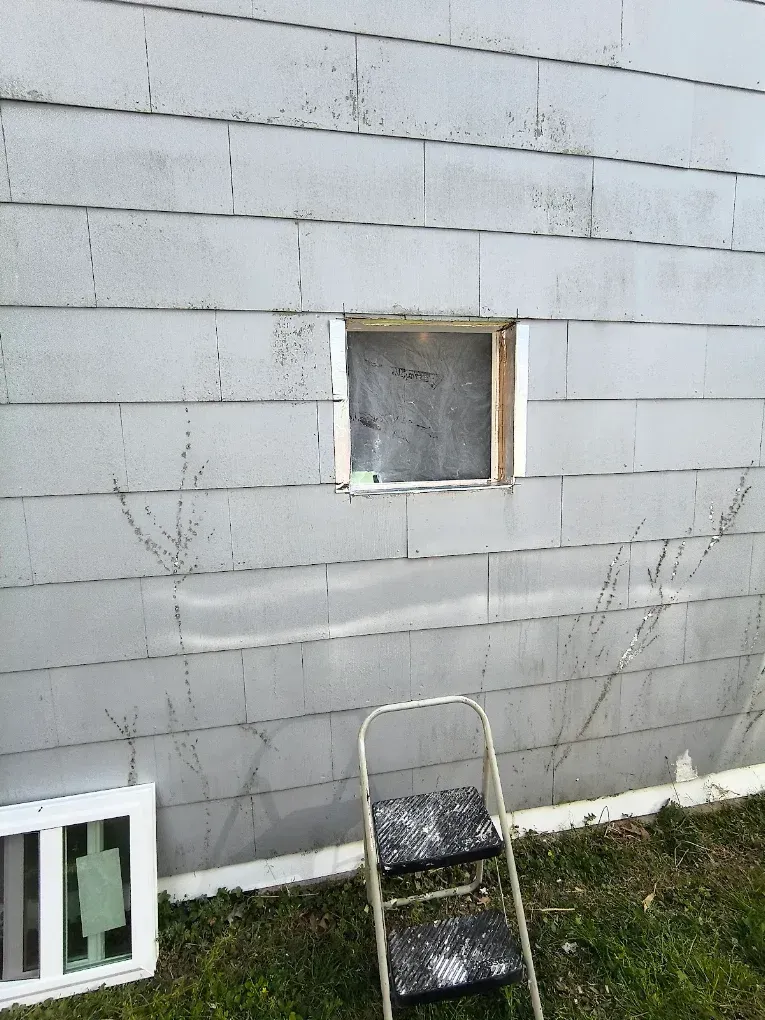
How does siding installation integrate with window replacement?
Coordinated work ensures window flashing extends behind new siding and creates a continuous weather barrier—separate projects risk layering errors where moisture can enter at transitions between old and new components.
Brandon's Painting & Handyman Services specializes in siding installation that accounts for salt air and hurricane-season conditions across Newport News. Request a detailed estimate to plan material selection and timing for your waterfront property's specific exposure.