
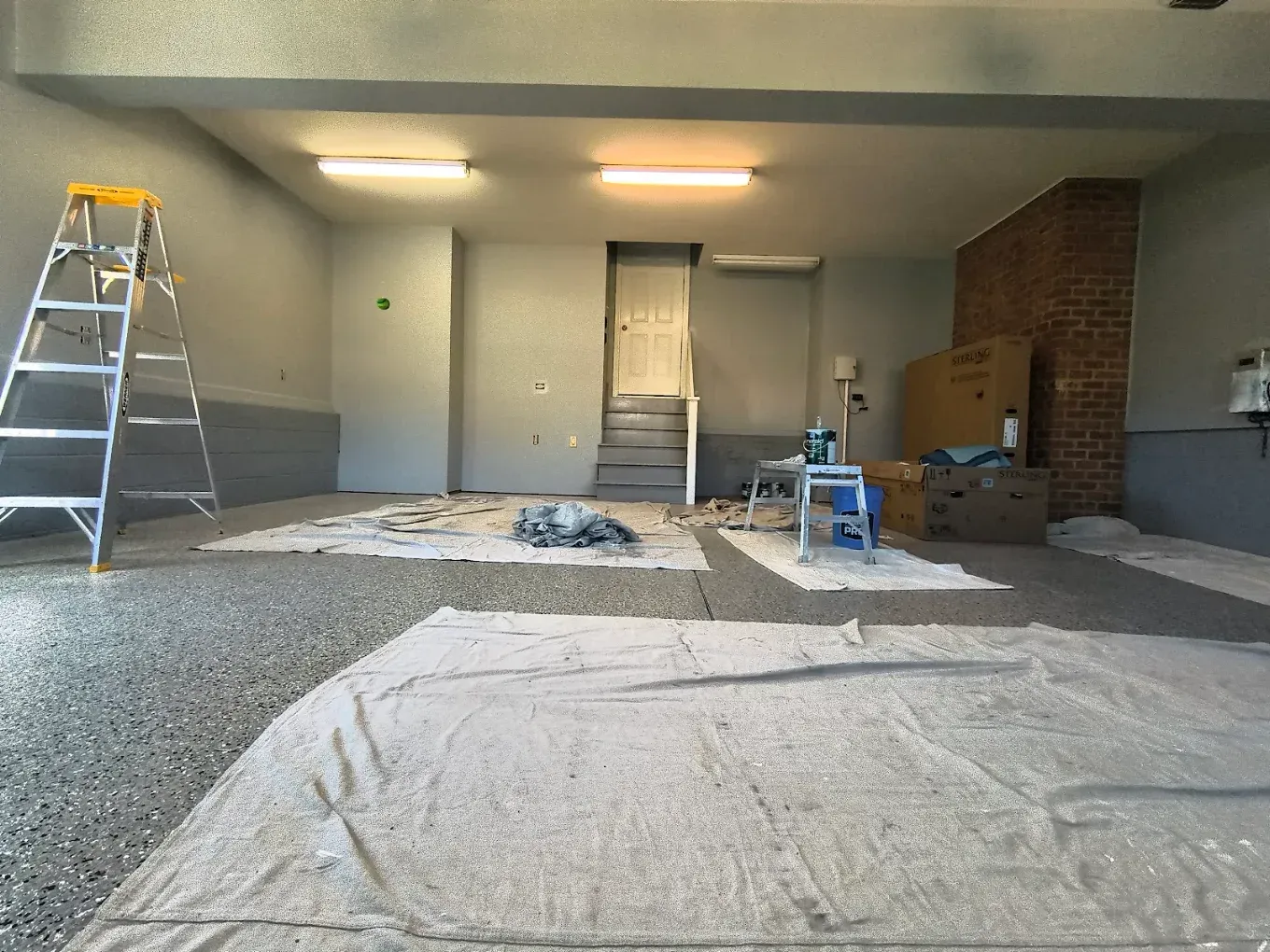
Trim That Seals and Finishes Properly
Interior and Exterior Trim in Newport News for homes needing moisture protection and remodel completion in salt-air conditions
Trim protects wall edges from impact damage, seals gaps where moisture enters around windows and doors, and provides the finished appearance that integrates new remodeling work with existing surfaces. Exterior trim throughout Poquoson, the James River waterfront, and properties along the I-64 corridor faces salt air and hurricane-season wind loads that degrade unprotected wood and loosen fasteners not rated for coastal exposure. Brandon's Painting & Handyman Services installs interior and exterior trim across Hampton Roads, selecting paint-grade or stain-grade materials based on finish requirements and applying caulk and sealant that blocks the moisture intrusion common to Tidewater homes where humidity accelerates wood rot at unsealed joints.
Installation involves precision cutting and mitering at corners to eliminate gaps where boards meet, secure fastening that prevents trim from pulling away from framing as wood expands during humid months, and finish priming that seals end grain before final paint or stain is applied. Exterior trim must withstand seasonal weather changes without splitting or cupping, so material selection accounts for the moisture content that affects dimensional stability in lumber exposed to coastal humidity.
Schedule a property review to identify trim sections needing replacement and discuss material options suited to your home's exposure level.
What Changes After Trim Installation Completes
Material selection begins with determining whether trim will be painted or stained, since paint-grade options use finger-jointed or MDF materials that cost less but require complete sealing, while stain-grade trim uses solid wood with visible grain that highlights natural character. Mitering accuracy at inside and outside corners affects how tightly joints close, and gaps wider than one-sixteenth inch allow air leaks at exterior locations and create visible lines that interrupt the finish appearance on interior installations. Fastening methods include finish nails countersunk below the surface and filled with putty, or adhesive backing combined with pin nails that leave minimal holes requiring touch-up.
Once trim work is finished, you will notice that door and window casings sit flush against walls without gaps that reveal framing behind, baseboard transitions align across floor height changes without abrupt steps, and corner joints remain closed even as seasonal humidity causes slight wood movement. Exterior trim around windows and doors sheds water away from wall penetrations, and caulk lines remain flexible enough to accommodate expansion without cracking or pulling away from substrates.
Interior trim also includes crown molding at ceiling transitions, chair rail that protects walls in high-traffic areas, and wainscoting that adds impact resistance in entryways and hallways. Exterior applications cover fascia boards that close roof edges, corner boards that protect siding transitions, and window and door surrounds that integrate with weather-resistant barriers to prevent moisture from reaching sheathing or framing members..
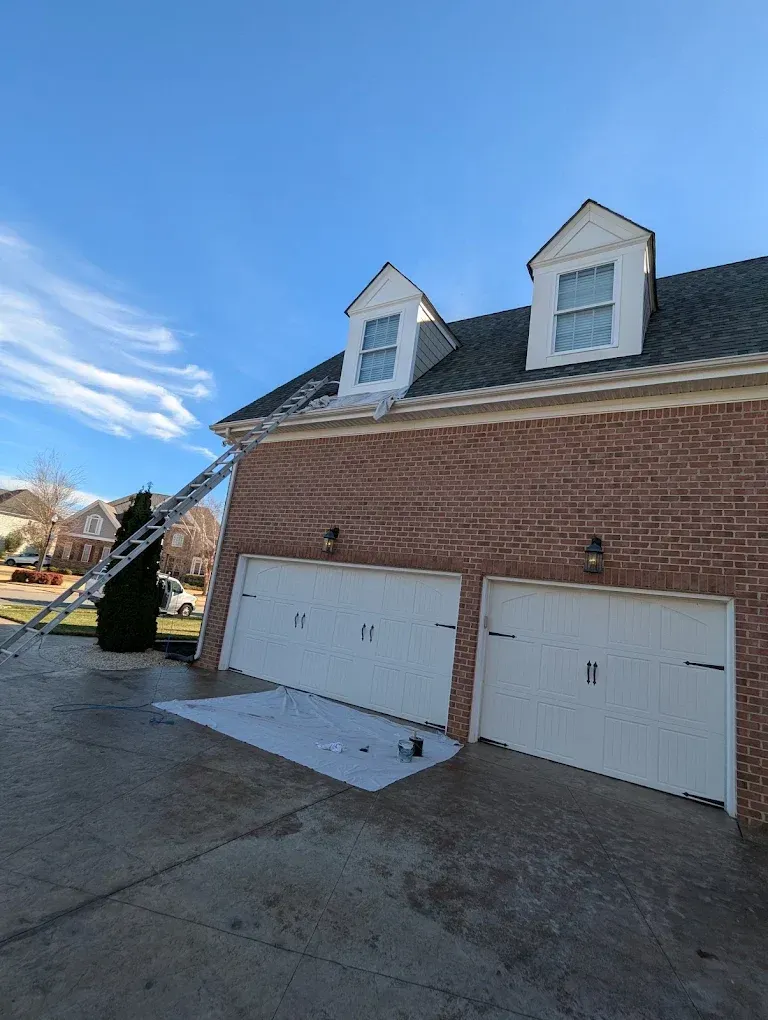
Questions Before Starting Your Project
Trim installation raises questions about material durability, finish options, and how to prevent the moisture damage common in coastal environments.
What trim materials work best for exterior use in Newport News?
Solid wood treated with primer and high-quality exterior paint, PVC trim that resists rot and insect damage, and fiber-cement boards all perform well in salt-air conditions where untreated wood degrades rapidly from moisture and UV exposure.
How does salt air affect exterior trim durability?
Airborne salinity accelerates paint breakdown and promotes corrosion on fasteners, so stainless-steel or hot-dipped galvanized nails are specified for coastal installations, and trim surfaces receive primer on all sides including cut ends before installation.
When should trim be replaced instead of repaired?
If wood shows soft spots from rot, if paint no longer adheres due to moisture saturation, or if fasteners pull out easily because the substrate has deteriorated, replacement provides longer-lasting results than patching or refastening degraded material.
What is the difference between paint-grade and stain-grade trim?
Paint-grade trim uses finger-jointed or composite materials intended for opaque finishes that hide joints and grain, while stain-grade trim uses solid wood with consistent grain and minimal knots selected for clear or semi-transparent finishes.
How is trim sealed to prevent moisture intrusion?
Caulk is applied at all joints between trim and adjacent surfaces, cut ends are primed before installation to block moisture wicking into end grain, and exterior trim receives sealant backing at window and door flanges where water can penetrate behind siding.
Brandon's Painting & Handyman Services seals and fastens exterior trim for salt-air durability and finishes interior work for remodel integration, ensuring that both applications perform as intended under Tidewater environmental conditions. Contact (757) 373-4384 to arrange a consultation and receive material recommendations based on your home's exposure and finish preferences.